Are Methods to Detect Plastic Particles in the Human Body Good Enough?
Detecting what shouldn’t be there

When it comes to finding plastic in the ocean, scientists have tools aplenty. But when the plastic is inside us — in our blood, lungs, or even placentas — detection becomes far more complex.
A recent expert review offers clarity: the way researchers prepare biological samples, their metrics, and even how they report results can drastically shape what these studies reveal — including what they might overlook. This is actually true of testing anything.
The methods are critically important which is, in part, why seemingly the same studies can offer drastically different outcomes. The slightest variable change can obliterate validity.

Why precision and standardization are critical
Biological tissues vary wildly — fatty organs, protein-rich tissues, fibrous shells, membranes. Each of these “matrices” demands a different lab preparation method — whether that’s an alkaline treatment or enzyme digestion — to isolate plastic particles without contaminating or altering them.
But that’s just the beginning of how crucial standardized protocols are — without them, comparing findings between studies is like comparing apples to microchips. This variability could skew health assessments and risk evaluations, making consistency a public health priority.
Why detecting plastics matters more than you think
1. Widespread Detection in Human Tissues
Plastic particles aren’t just lurking in our environment — they’ve been spotted across a range of human tissues. That includes blood, lungs, placentas and potentially more, thus having far ranging consequences
2. Crossing Critical Barriers
These particles may cross biological safeguards — the blood‑brain barrier, placenta, and arterial walls — traveling where they shouldn’t and raising concerns about long-term effects.
3. Potential Health Threats
Though research is in early stages, possible consequences include cell damage, inflammatory responses, cardiovascular complications, and impacts on fetal development.
What is needed?
Laboratories need better, standardized sample processing methods that are easy and affordable to access for the public. But before that, the variability in testing tissue types and inconsistent reporting is a hurdle. Reliable metrics like clear definitions, detection thresholds, and reporting styles (e.g., particles per gram vs. count per tissue) are essential to build a trustworthy body of knowledge.
Furthermore, when studies align their methods forging more accurate timelines of exposure, identify risk factors, and formulate health guidelines based on solid comparative data we will be closer to understanding the gravity of the problem of internal micro-plastics. Establishing baseline detection and exposure levels could shape prevention strategies for vulnerable populations — especially newborns, pregnant individuals, and people with compromised health.
Detecting plastic within living tissues is no simple feat. It demands meticulous methodology, cross-disciplinary expertise, and, above all, standardized best practices to produce trustworthy insights.
As science continues to consider this widespread plastic catastrophe by harmonizing sampling and reporting standards it will be clear that this knowledge is foundational to public health. It will set the stage for informed policy, targeted interventions, and ultimately, a deeper understanding of how plastics are affecting our bodies.
In the meantime, we are not waiting for bureaucracy to figure it out or for more proof that we are all affected by this on a personal health level. We have solutions. Individual men and women, apart from funded institutions, are taking matters into their own hands by using available testing and tools to reveal to the best of their ability what is being harbored inside the bodies of all living things, namely us, and how to remove the offenders.
If you are not aware, Human Consciousness Support funded a small study revealing micro-plastics in all participants. The good news is MasterPeace was also shown to decrease those levels considerably after 90 days.
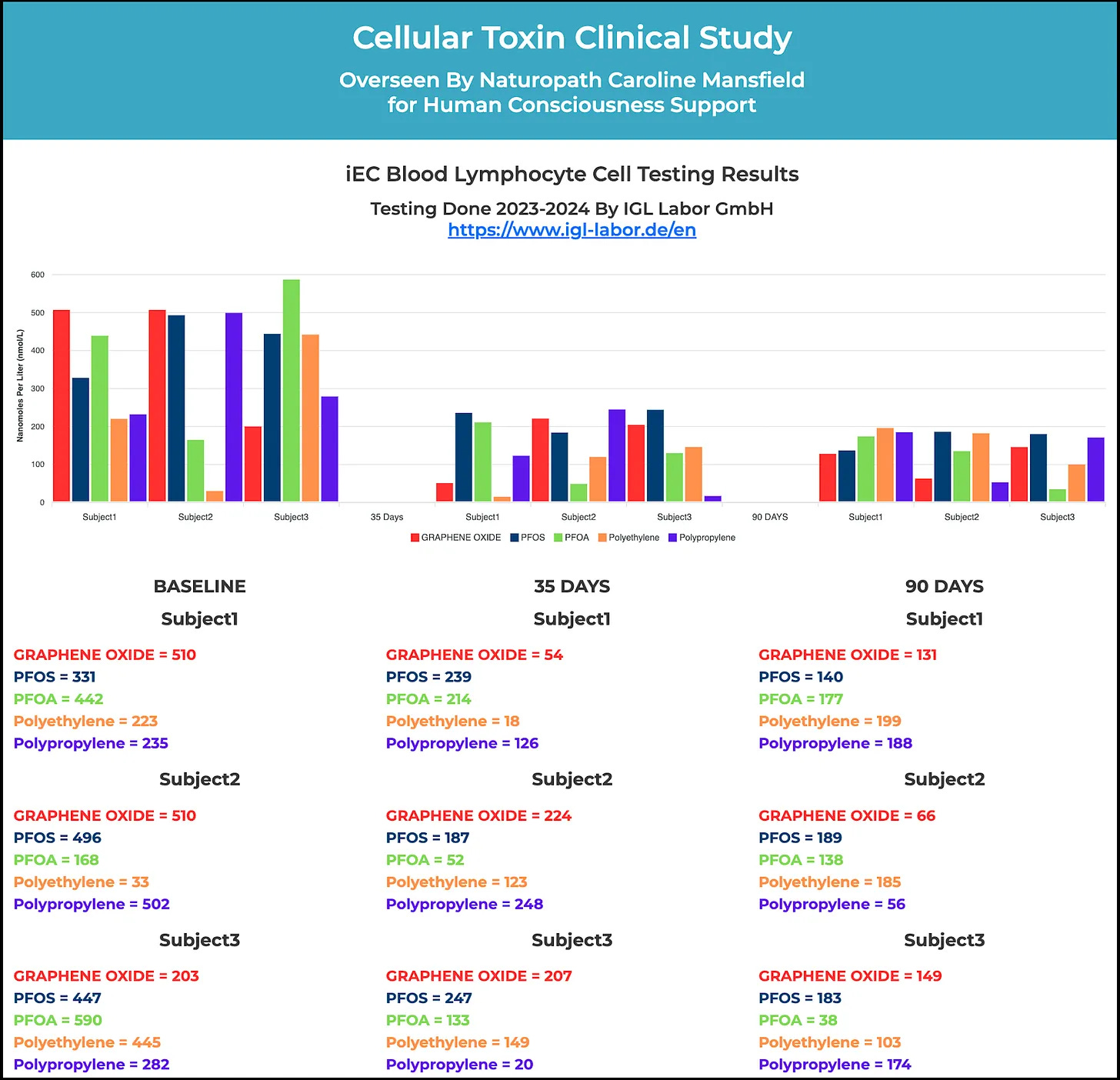
If mitigation tactics are used, consisting of decreasing the incoming and removing what is already circulating that would be the best way forward. Thankfully, we have part of that solution in MasterPeace. The rest is up to you, so choose wisely on a daily basis.
To your Health,
The Human Consciousness Support Team